The Science
Alone Is Not the Same as Lonely, and the Difference Matters
Isolation and loneliness are separate things with separate fixes. Here's how to tell which one you actually have, and what to do about each.
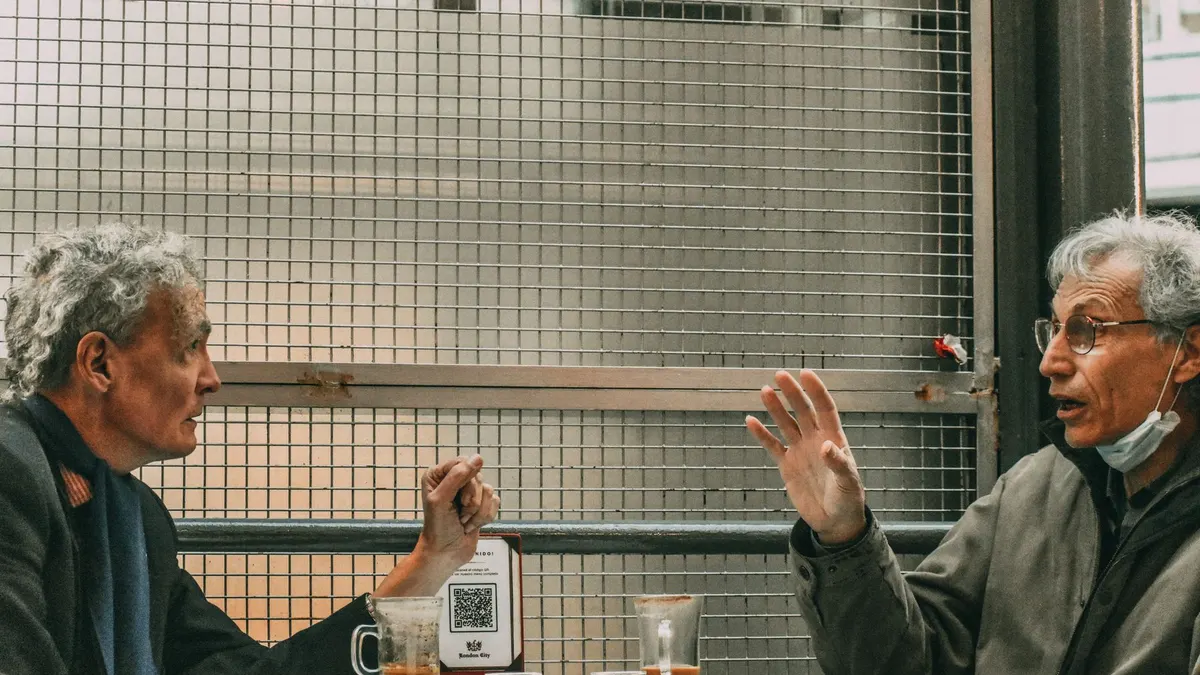
You can live alone, see almost no one, and not be lonely. You can also be surrounded by people — a full office, a house with three kids in it, a group chat that never stops — and be lonely anyway. These are not the same problem, and treating them as if they are is why so much well-meaning advice about “getting out more” fails.
Researchers call the first one social isolation: an objective fact about how many people you see and how often. The second is loneliness: a subjective gap between the connection you have and the connection you want. John Cacioppo, one of the researchers who did the most to establish loneliness as a biological state rather than a mood, described it as functioning like hunger or thirst — an internal signal that something needed for survival is missing, whether or not anyone else can see the lack.
That distinction is not academic hair-splitting. A 2024 study in Scientific Reports looked directly at how isolation and loneliness relate to each other and found the relationship changes with age — they are correlated, but not tightly, and not in the same way at every stage of life. A 2026 study of socially isolated older adults went further, asking why some isolated people become lonely and others don’t, treating the two as genuinely separate risks with separate causes. If you only measure one, you miss the other.
The person who’s rarely alone but still lonely
This is the harder case to notice, because it doesn’t look like a problem from the outside. You have plans most weekends. People text you. And still, something is off — the contact feels thin. Nobody’s asked how you’re actually doing in a while, and if they did, you’re not sure you’d say.
This is loneliness without isolation, and it usually means the quality of contact has dropped even though the quantity hasn’t. Lots of low-stakes contact — meetings, small talk, logistics with a co-parent — can fill a calendar without touching the thing loneliness actually responds to, which is feeling known.
The fix here isn’t more plans. It’s picking one or two existing relationships and deliberately raising the stakes: asking a real question, saying the thing you’d normally edit out, being around long enough that the surface-level version of you isn’t the only version on offer. Adding a third acquaintance to a schedule that’s already full of surface contact won’t move this number. Going deeper with someone you already see might.
The person who’s alone a lot and doing fine with it
This is the case people worry about on your behalf more than you worry about it yourself. You live by yourself, you work from home, your week has long solitary stretches — and you’re not miserable. This happens, and it’s worth taking seriously rather than assuming loneliness is hiding underneath it.
Where this goes wrong is when isolation is not a preference but a structural fact you’ve adapted to without noticing: the friends moved away, the office went remote, the local coffee shop closed. The AARP’s 2018 survey of adults 45 and older found the strongest predictors of loneliness were the size and diversity of a person’s network and how physically isolated they were — not personality, not how content someone claimed to be. Isolation that starts as circumstance can quietly become loneliness once the novelty of solitude wears off, and by then the habits that would counter it have atrophied too.
If this is you, the useful check isn’t “am I sad” — it’s “has my network shrunk in the last year, and did I choose that.” If the answer is no, the fix is not therapy for a feeling you don’t have. It’s rebuilding contact, deliberately, before the feeling arrives.
Why this changes what you actually do
The evidence on what works splits along this same line, and it’s a useful tell. Holt-Lunstad’s 2015 meta-analysis found isolation and loneliness both predict early mortality, but through different pathways, which is part of why interventions built for one often underperform for the other. Befriending programs — regular, low-key contact with another person — reliably reduce loneliness in controlled trials; a 2025 randomised trial in aged care found measurable drops in loneliness scores at eight and sixteen weeks. That’s a contact-shaped problem responding to a contact-shaped fix.
But a 2026 trial of over a thousand older adults living in poverty and alone found something sharper: telephone-delivered behavioural activation and mindfulness — eight sessions, thirty minutes each, over a month — beat plain befriending on loneliness at twelve months. The people getting simple company did fine. The people getting structured help noticing and changing their own avoidance patterns did better. Befriending fixes contact. It doesn’t always fix the internal habits — withdrawing, assuming rejection, avoiding the risk of reaching out — that can keep someone lonely even once contact is available again.
So before scheduling another meetup or joining another group, ask which problem you actually have. If your calendar is full and you still feel unseen, the answer is depth with people you already know. If your calendar is genuinely empty, the answer is rebuilding contact before you adapt to its absence. Only one of those is solved by adding people. The other is solved by choosing better ones to keep.
Where this comes from
- Loneliness: Human Nature and the Need for Social Connection
- Loneliness and Social Isolation as Risk Factors for Mortality: A Meta-Analytic Review
- Understanding the Interplay Between Social Isolation, Age, and Loneliness During the COVID-19 Pandemic
- Risk Factors of Loneliness in Community-Dwelling Socially Isolated Older Adults
- Loneliness and Social Connections: A National Survey of Adults 45 and Older
- Behavioral Activation and Mindfulness Interventions in Reducing Loneliness and Improving Well-Being in Older Adults: The HEAL-HOA Randomized Clinical Trial
- Randomized Controlled Trial on the Impact of Befriending on Depression, Anxiety, Loneliness, and Social Support in Older People in Aged Care