Life Changes
What to Do When a Friendship Has No Reason to Happen Anymore
When a friendship loses its built-in occasion — the shared office, the school gate, the same city — it needs a replacement structure. Here's what actually holds it together, and what doesn't.
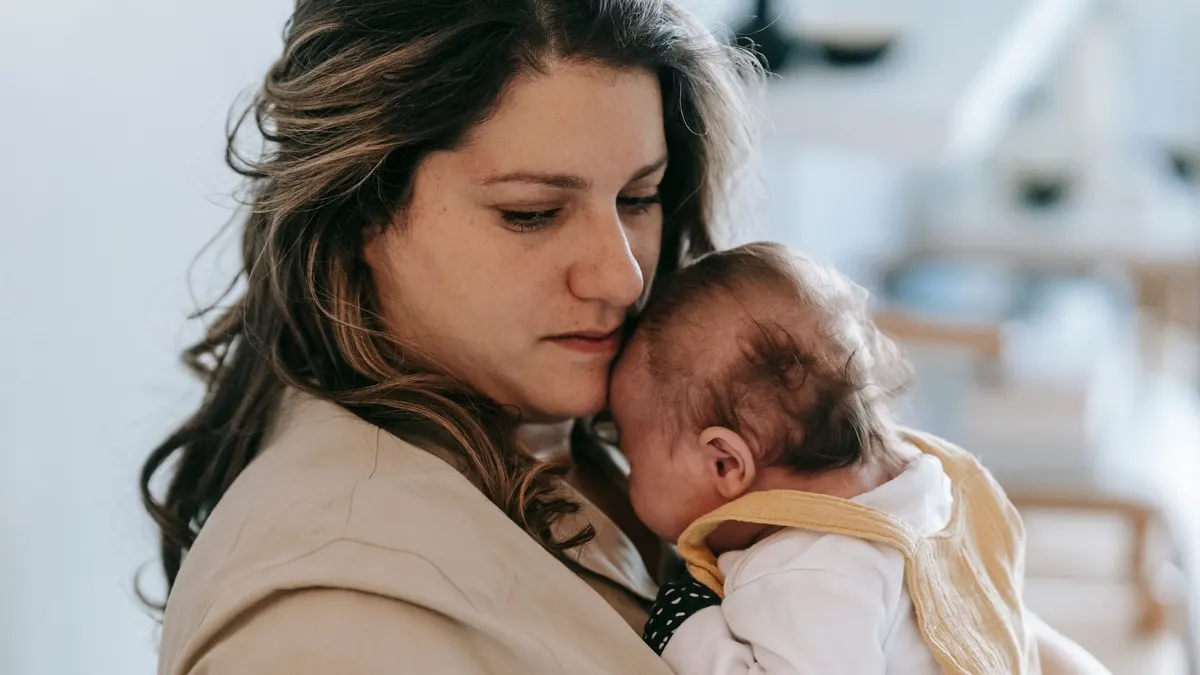
You used to see this person without trying. Same office, same school run, same street, same gym class. Then one of you moved, or changed jobs, or had a baby, and the thing that used to put you in a room together stopped happening. Nobody decided to let the friendship go. It just lost its excuse.
This is a specific problem, not the general problem of loneliness, and it needs a specific answer. The friendship isn’t broken. The scaffolding around it is gone.
Why “let’s catch up soon” doesn’t work
Robert Putnam’s research on the decline of American civic life makes a point that applies here even though it’s mostly about clubs and bowling leagues: people don’t maintain connection through good intentions, they maintain it through recurring occasions that don’t require a decision each time. A bowling league meets Tuesday whether or not anyone feels like it that week. A friendship with no occasion left has to be re-decided every single time, by two busy people, neither of whom wants to be the one who seems too keen.
That’s why “let’s catch up soon” so often produces nothing. It’s not a plan. It’s an intention with no date attached, and intentions with no date attached compete against everything else in both of your weeks — and lose, repeatedly, without either of you ever choosing to let the friendship slide. The American Enterprise Institute’s 2021 survey on American friendship found that the share of men reporting six or more close friends fell from 55% in 1990 to 27% by 2021. A lot of that erosion probably looks exactly like this: not a falling-out, just an accumulation of unscheduled catch-ups that never happened.
The fix is not “try harder.” It’s build a new structure.
Ray Oldenburg’s idea of the third place — the café, the bar, the barbershop, the place that isn’t home or work but exists for informal contact — is usually applied to whole communities. But it works at the scale of two people too. A friendship that’s lost its natural venue needs a new, artificial one. Something fixed enough that it doesn’t need renegotiating.
Concretely, that means picking one variable and fixing it permanently:
The day. Not “let’s grab dinner sometime” but “first Thursday of the month, always.” A standing date removes the part where two people compare five calendars and eventually give up. It also means neither of you has to be the one who suggests it — it’s just Thursday.
The format. A phone call while one of you walks the dog. A shared Wordle result every morning. A voice memo instead of a text, because it takes less effort to answer at 11pm and carries more of the actual person. None of this replaces seeing each other, but it fills the gap between visits so the friendship doesn’t feel like it only exists on the two days a year you’re in the same city.
The occasion. Some friendships survive on a genuinely dumb ritual — a running text thread about a TV show neither of you would watch otherwise, a shared fantasy league, a book you’re both pretending to read at the same pace. The content matters less than the fact that it recurs without anyone having to invent a reason.
The point of all three is the same: repetition beats intensity. One extraordinary reunion trip a year does less for a friendship than a boring, low-effort check-in every month, because the boring one doesn’t require either of you to clear a weekend and it doesn’t create the pressure of a Big Occasion that has to be worth the flight.
When you actually are in the same place, at the same time
Sometimes the missing structure isn’t distance, it’s that you both still live in the same city but no longer have a reason to be in the same room. This is arguably worse, because there’s no geography to blame.
Here the fix is less about the friendship and more about outsourcing the logistics of meeting to something external. Meetup, running for over two decades, works well for this if you can find or start a recurring group both of you would actually attend — a running club, a board game night — because it turns “we should hang out” into “we’re both going to this thing on Tuesdays,” which is a much smaller ask. Timeleft does something similar for one evening at a time: it seats small groups for a weekly dinner based on a personality questionnaire, with no messaging beforehand, which works if what you actually want is a fixed date on the calendar rather than a new circle of friends. Buffet, launched in Los Angeles in 2024, takes a narrower one-to-one approach — it matches two people and a venue based on interests and a short personality quiz — which is closer to what an old friendship needs: not a new occasion, but confirmation that you’re both showing up.
None of these apps fix the friendship. What they fix is the coordination problem — the part where “let’s do something” dies in a group chat because nobody wants to be the one who picks the restaurant. If the friendship itself is fine and the only thing missing is a low-friction way to put a time and place on the calendar, that’s exactly the gap these tools are built for. If the friendship has actually gone quiet because you’ve drifted, no app will paper over that, and it’s worth being honest with yourself about which one you’re dealing with before you download anything.
The low bar that actually works
The version of this that people resist is the small one. It feels like it doesn’t count. A five-minute call on the walk to the train doesn’t feel like “seeing your friend,” so people skip it and wait for the version that does count — the weekend visit, the proper dinner — and that version happens twice a year, and the friendship slowly reads as distant even though nobody stopped caring.
Flip that. The small, frequent thing is not a placeholder for the real friendship. It is what keeps the friendship recognisable as a friendship in the gaps between the visits that actually feel like enough. The visits matter more when there’s been contact in between; they feel like less when they’re the only contact there is, because you spend half the time re-establishing context instead of just being together.
So the actual, doable thing is smaller than it feels like it should be: pick one fixed slot this week — a day, a time, a fifteen-minute call — and send it as a proposal, not an invitation. “Calling you Thursdays at 8, works?” is a structure. “We should catch up soon” is a hope. Only one of those survives a bad month.
Where this comes from
- Bowling Alone: The Collapse and Revival of American Community
- The Great Good Place: Cafes, Coffee Shops, Bookstores, Bars, Hair Salons and Other Hangouts at the Heart of a Community
- The State of American Friendship: Change, Challenges, and Loss
- Meetup: Interest-Based In-Person Group Events
- Timeleft: Weekly Dinners Matching Strangers by Personality
- Buffet's New App Tackles the Loneliness Epidemic by Connecting People in the Real World