Family & Parents
Why Asking a Friend to Hang Out Feels Like Asking for a Favor
For new parents especially, inviting someone over can feel like imposing on them. Here's why that feeling is misleading, and what to do instead of waiting for someone else to ask first.
There is a specific kind of paralysis that happens with your phone open to someone’s contact, a half-written message, and a thumb that will not press send. It usually goes something like: they’re probably busy. I don’t want to be a bother. If they wanted to see me they’d have asked already.
That last sentence is doing all the damage. It assumes silence means disinterest. It almost never does.
The maths you’re getting wrong
Everyone waiting for someone else to make the first move is running the same calculation, and everyone is coming out the same way: I don’t want to impose, so I’ll wait. That means most invitations that could exist simply don’t, not because people don’t want to see each other, but because both people are independently protecting the other from a burden that was never real.
The Harvard Making Caring Common survey from 2021 found that about half of lonely young adults said no one had spent even a few minutes recently asking how they were doing in a way that felt genuine. Read that carefully. It is not that people didn’t want to be asked. It is that almost nobody did the asking.
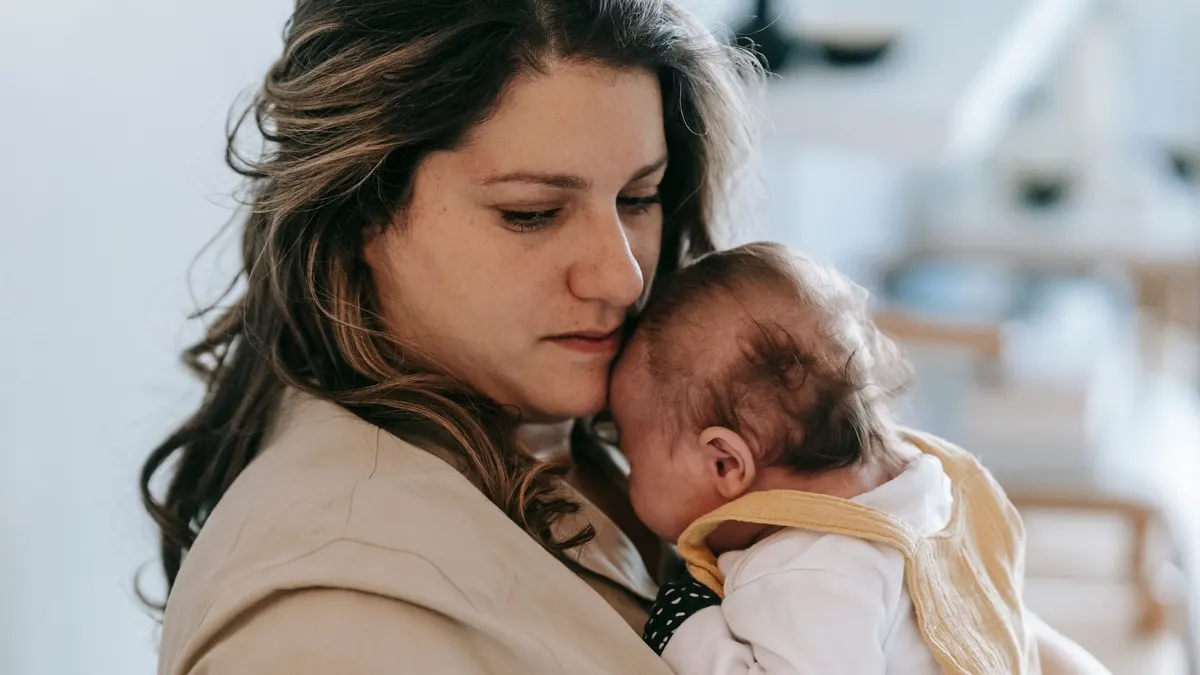
New parents sit in a particularly bad version of this trap. The same survey found 51% of mothers with young children reported serious loneliness. The reasons are practical, not emotional: no spare evenings, unpredictable schedules, a body that’s exhausted, a house that isn’t fit for guests. But underneath the practical reasons is often a belief that everyone else’s life is too full to make room for an invitation from you. That belief is usually wrong, and it is wrong in a way that compounds. The longer nobody asks, the more it looks like confirmation that nobody wants to.
Why it feels like a favor and isn’t one
Asking someone to spend time with you registers, emotionally, like asking them to lend you money or drive you to the airport. It doesn’t feel like that to the person receiving it. Being invited somewhere is one of the few social signals that reads unambiguously as I thought of you and wanted you specifically. Most people, most of the time, are glad to get that message even if they say no.
The American Enterprise Institute’s 2021 survey on American friendship found something that explains part of why this has gotten harder to believe. The share of men reporting six or more close friends fell from 55% in 1990 to 27% by 2021, and 15% of men now report having no close friends at all — a fivefold increase since 1990. When your own friend group has thinned out over years without you fully noticing, it’s easy to conclude that everyone’s is fine except yours, and that reaching out marks you as the needy one. But the numbers say the opposite: most people you might invite are in some version of the same position. The invitation isn’t landing on someone with a full calendar and no room for you. Statistically, it’s more likely landing on someone who also hasn’t been asked in a while.
What actually removes the discomfort
The discomfort of asking doesn’t go away by thinking about it differently. It goes away by lowering what you’re asking for.
“Do you want to come over for dinner Saturday” carries weight — a time slot, an expectation of conversation, cooking, cleaning. “I’m walking to the park at 10 on Saturday if you want to come” carries almost none. It has an exit built in. Nobody has to perform. If they can’t, the whole thing dissolves without a conversation about why.
For new parents specifically, the invitation that works best is usually the one built around something you were doing anyway. You’re going to be at the playground at 4pm regardless of whether anyone joins. You’re going to be awake at 6am with a bottle regardless of whether anyone texts back. Naming that time out loud, once, to one person, turns an errand into an option for someone else without asking them to rearrange anything.
The AARP Foundation’s 2018 survey of adults 45 and older found that people who talk to their neighbours are far less likely to be lonely — 33% of those who had spoken to a neighbour reported loneliness, against 61% of those who never had. Neighbours are the clearest case of this principle: the interaction is already low-stakes, because you’re both just standing outside your own front door. That’s the template to copy elsewhere. Make the ask small enough that turning it down costs the other person nothing, and saying yes costs them almost nothing too.
The actual move
Pick one person. Not the friend you haven’t spoken to in two years — someone closer to the surface, someone you already have a low-friction reason to text. Name a specific time within the next week, attached to something you’re already doing. Send it without a paragraph of preamble apologising for reaching out.
If they say no, that is information about their week, not about your worth as a friend. If they say yes, you’ve done the one thing that reliably fixes this: you went first. Someone has to, and waiting for it to be them is how two lonely people spend another month not seeing each other.